


Central Asian countries are entering a new phase of accelerated renewable energy development, with governments seeking to diversify their power mix, reduce dependence on fossil fuels, and strengthen energy security. Kazakhstan and Uzbekistan are emerging as the region’s most ambitious markets, with clearly defined renewable energy targets for 2030.
Across Central Asia’s energy transition landscape, Kazakhstan and Uzbekistan are emerging as the two countries with the most clearly defined and ambitious renewable energy targets for 2030.
Kazakhstan aims for renewable energy to account for 15% of total electricity generation by 2030, building on its intermediate target of 3% achieved in 2020. The country also has a longer-term ambition to increase renewable energy’s share to 50% of its energy mix by 2050 and achieve carbon neutrality by 2060.
To support these targets, Kazakhstan expects the combined installed capacity of wind and solar power plants to exceed 8.4 GW by 2030. This is seen as an important foundation for the country, which has traditionally relied heavily on fossil fuels, to gradually transition toward a more diversified and sustainable energy mix.
Meanwhile, Uzbekistan is pursuing an even faster pace of renewable energy development. In early 2024, the Uzbek Government raised its target for renewable energy’s share of the electricity mix in 2030 from 25% to 40%.
Uzbekistan is also targeting 25–27 GW of renewable energy capacity by 2030, including ambitious plans for solar and wind power. Under its power development plan through 2026, the country expects to add 6,770 MW of generation capacity, including 2,800 MW of solar power and 470 MW of wind power.
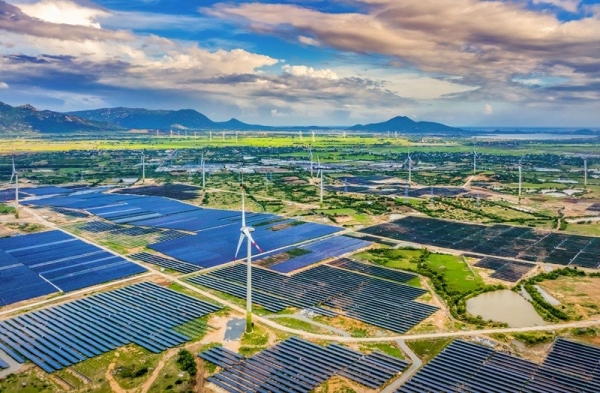
These figures demonstrate that Central Asia is gradually emerging as a large-scale renewable energy market, with solar and wind power identified as important sources for expanding the region’s electricity supply.
Unlike Kazakhstan and Uzbekistan, Kyrgyzstan and Tajikistan already have relatively strong hydropower foundations, making hydropower a continued priority in their national energy strategies.
Their targets toward 2030 focus on attracting investment in hydropower projects, particularly small-scale hydropower, while developing biomass energy and upgrading existing energy infrastructure.

This approach is aimed not only at increasing electricity supply but also at addressing one of the region’s major challenges: seasonal power shortages during winter. Diversifying energy sources is therefore becoming increasingly important to improve the reliability of electricity supply and strengthen the resilience of national power systems.
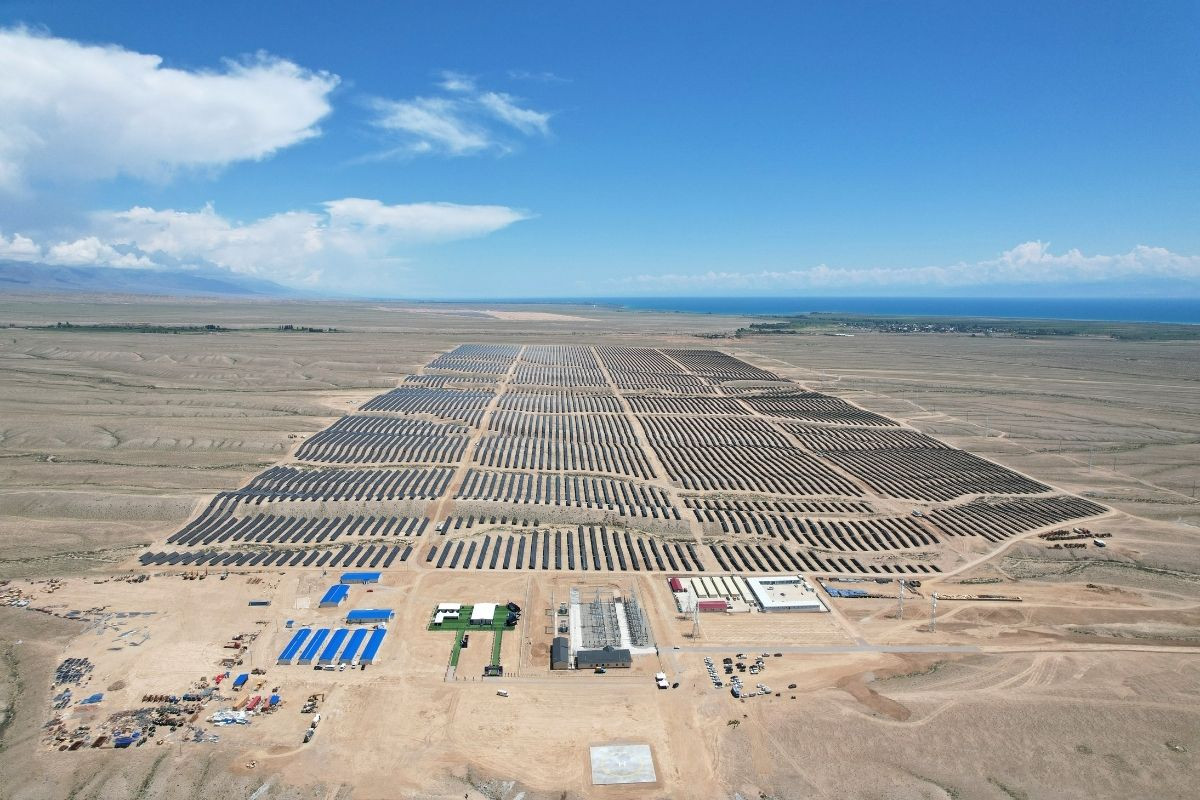
At the same time, the development of solar power is opening a new pathway for Central Asian countries, particularly in areas with favorable natural conditions and large available land resources.
Turkmenistan is also gradually laying the foundations for its energy transition. The country has adopted a National Strategy for the Development of Renewable Energy Sources through 2030 and launched an international cooperation program on renewable energy for the 2025–2030 period.
Although Turkmenistan possesses significant solar energy potential, estimated at around 655 GW, the country remains at an early stage of renewable energy development and has yet to establish a specific target for renewable energy’s share of electricity generation by 2030 comparable to those of Kazakhstan and Uzbekistan.
This also means that the market retains substantial room for investment, technology deployment, and international cooperation in the years ahead.
Overall, Central Asian countries are pursuing different pathways while moving toward a common objective: building diversified, sustainable energy systems capable of meeting rapidly growing electricity demand.
| Country | Renewable Energy Direction/Target for 2030 |
|---|---|
| Kazakhstan | Renewables to account for 15% of total electricity generation; combined wind and solar capacity expected to exceed 8.4 GW |
| Uzbekistan | Renewables to account for 40% of the electricity mix; total renewable energy capacity targeted at 25–27 GW |
| Kyrgyzstan | Focus on small-scale hydropower, biomass energy, and infrastructure upgrades to strengthen energy security |
| Tajikistan | Development of hydropower and other renewable energy sources, alongside investment in energy infrastructure |
| Turkmenistan | Implementation of a renewable energy development strategy through 2030 and stronger international cooperation |
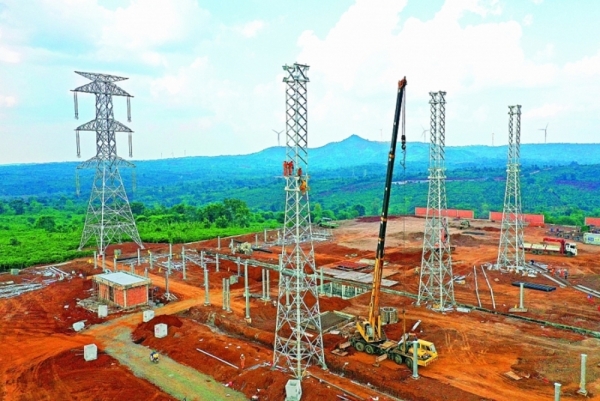
Notably, Central Asia’s energy transition is taking place against the backdrop of three interconnected challenges: expanding electricity supply, ensuring energy security, and reducing emissions. This is creating growing demand for large-scale projects that can deliver significant capacity, be implemented efficiently, and leverage modern technologies.
Alongside supportive government policies, financing, technology, and expertise from international financial institutions and foreign partners will continue to play an important role in turning the region’s 2030 ambitions into concrete energy projects.
With significant potential in solar, wind, and hydropower, combined with growing demand for infrastructure investment, Central Asia is emerging as a promising new market for renewable energy development, creating opportunities for international energy infrastructure developers to participate in the region’s ongoing energy transition.